
Negative pressure systems are engineered environments designed to contain airborne contaminants within a specific area. They achieve this by maintaining a lower air pressure inside the contained space compared to the surrounding environment. This pressure difference ensures that air flows into the contained area, preventing potentially hazardous particles from escaping.
The purpose of these systems is paramount in various settings. For families prioritizing clean air and comfort, HEPA vacuums vs shop vacs for duct debris removal that improves your system’s performance year-round.. When dealing with seasonal allergies or HVAC maintenance, professional duct cleaning in Calgary is a simple yet powerful way to cut down on dust and allergens indoors.. In healthcare, they protect patients and staff from infectious diseases like tuberculosis or measles. In laboratories, they contain hazardous materials like pathogens or toxins. In industrial settings, they control dust, fumes, and other airborne pollutants. By preventing the escape of these contaminants, negative pressure systems safeguard the health and safety of individuals and the surrounding environment.
Key Benefits of Negative Pressure Systems:The importance of maintaining a properly functioning negative pressure system cannot be overstated. A breach in the system's integrity can have serious consequences, leading to the spread of infection, exposure to hazardous materials, and potential regulatory violations. Therefore, regular verification and maintenance are crucial to ensure the system operates as intended and continues to provide a safe and controlled environment. This verification process involves a series of checks and tests to confirm that the negative pressure differential is within the specified range and that the system is effectively containing airborne contaminants.
Pressure differential, at its core, is the difference in pressure between two points. In the context of negative pressure systems, this refers to the pressure difference between the inside of a contained area and the surrounding environment. Maintaining a negative pressure means the pressure inside the contained area is *lower* than the pressure outside. This seemingly small difference is what prevents contaminated air from escaping.
Technicians use specialized instruments, such as differential pressure gauges or manometers, to meticulously measure this pressure difference. These devices detect minute pressure variations, often expressed in Pascals (Pa) or inches of water column (in. w.c.). A digital manometer provides a direct reading, while an analog manometer uses a liquid column to visually indicate the pressure difference.
Key Facts About Negative Pressure:The significance of pressure differential in negative pressure systems cannot be overstated. A properly maintained negative pressure ensures that any air movement is directed *into* the contained area, not out. This is crucial in environments like hospitals isolating patients with infectious diseases, or construction sites handling hazardous materials. If the pressure differential is insufficient or, worse, positive, contaminants can leak out, posing a risk to the surrounding environment and the health of individuals nearby. Regular monitoring and verification of the pressure differential are therefore essential for the safe and effective operation of these systems.
Visual inspections are crucial for maintaining negative pressure within a controlled environment. Technicians meticulously examine the enclosure's surfaces, seals, and access points for any visible signs of damage, such as cracks, gaps, or deteriorated seals. These breaches can compromise the negative pressure, allowing unfiltered air to enter the controlled space. Regular inspections, performed according to a documented schedule, help identify and address potential leak points before they escalate into significant issues. Detailed records of these inspections, including any identified problems and corrective actions taken, should be maintained for auditing and quality control purposes.
A key component of visual inspections involves a thorough assessment of all seals and gaskets. These components are designed to create airtight barriers between different sections of the enclosure or between the enclosure and its surroundings. Technicians check for signs of wear and tear, such as hardening, cracking, or deformation, which can compromise the seal's effectiveness. The proper seating and compression of seals are also verified to ensure a tight fit. Replacement of damaged or deteriorated seals is essential to maintain the integrity of the negative pressure system.
Smoke tests provide a visual method for verifying airflow direction and identifying leaks. A non-toxic smoke is introduced near potential leak points, such as seams, access panels, and filter housings. The movement of the smoke indicates the direction of airflow, with inward movement confirming negative pressure and outward movement suggesting a leak. Technicians carefully observe the smoke patterns to pinpoint the exact location of breaches in the enclosure. This allows for targeted repairs and ensures that the negative pressure is effectively maintained.
Smoke Testing Best PracticesThe success of a smoke test relies on proper application techniques. Technicians use specialized smoke generators or smoke sticks to produce a consistent and controlled flow of smoke. The smoke is directed towards potential leak points, allowing sufficient time for airflow patterns to become visible. Over-application of smoke should be avoided, as it can obscure the airflow and make it difficult to identify leaks accurately. Proper ventilation and safety precautions should be followed during smoke testing to protect personnel from smoke inhalation.
Accurate documentation is essential for tracking and managing the results of smoke tests. Technicians record the date, time, and location of each test, as well as any leaks identified and corrective actions taken. Photographs or videos can be used to document the smoke patterns and the location of leaks. This documentation provides a valuable record of the system's performance over time and helps identify trends or recurring problems. Regular review of the documentation can inform preventative maintenance strategies and improve the overall effectiveness of the negative pressure system.
To ensure the integrity of negative pressure systems, technicians rely on precise measurement tools, primarily manometers and differential pressure gauges. These instruments are essential for quantifying the pressure difference between the controlled space and its surrounding environment. A manometer, in its simplest form, uses a liquid column to indicate pressure. Technicians connect the manometer to both the controlled area and the reference environment (typically an adjacent room or hallway). The height difference in the liquid column directly corresponds to the pressure differential.
Differential pressure gauges offer a more direct and often digital readout of the pressure difference. These gauges have two ports, each connected to the respective spaces. Inside the gauge, a diaphragm or sensor measures the pressure imbalance, displaying the result in units like Pascals (Pa) or inches of water column (in. w.c.).
Key Pressure Monitoring Facts:
Technicians carefully observe these readings to confirm that the controlled space maintains the required negative pressure, typically a value between -2.5 Pa and -20 Pa, depending on the application and regulatory guidelines. Regular monitoring and documentation of these pressure readings are crucial for verifying the system's ongoing performance and compliance. Any deviation from the specified range necessitates immediate investigation and corrective action to safeguard the integrity of the controlled environment.
To rigorously verify the effectiveness of a negative pressure system, technicians rely on precise airflow measurements obtained through the use of anemometers. These instruments are essential for quantifying air movement and confirming that the exhaust rate within the contained environment is sufficient to maintain negative pressure relative to surrounding areas.
Anemometers work by measuring air velocity, typically in feet per minute (FPM) or meters per second (m/s). Technicians strategically position anemometers at various points within the contained area, particularly near exhaust vents and potential leak sources, such as doorways and seams. By measuring the airflow at these locations, technicians can determine the overall exhaust rate.
Key Anemometer Uses:The measured airflow data is then compared against pre-determined benchmarks established during the system's design and commissioning phases. These benchmarks specify the minimum exhaust rate required to achieve and maintain the desired negative pressure differential. If the measured airflow falls below these benchmarks, it indicates a potential issue with the system, such as inadequate fan performance, blocked exhaust vents, or leaks in the containment barrier.
Furthermore, anemometers are used to map airflow patterns within the contained area. This helps identify areas where airflow may be stagnant or where air is entering the contained space from outside. This information is crucial for optimizing the placement of exhaust vents and for identifying and sealing any leaks that may be compromising the negative pressure environment. Regular monitoring with anemometers ensures the ongoing integrity and effectiveness of the negative pressure system.
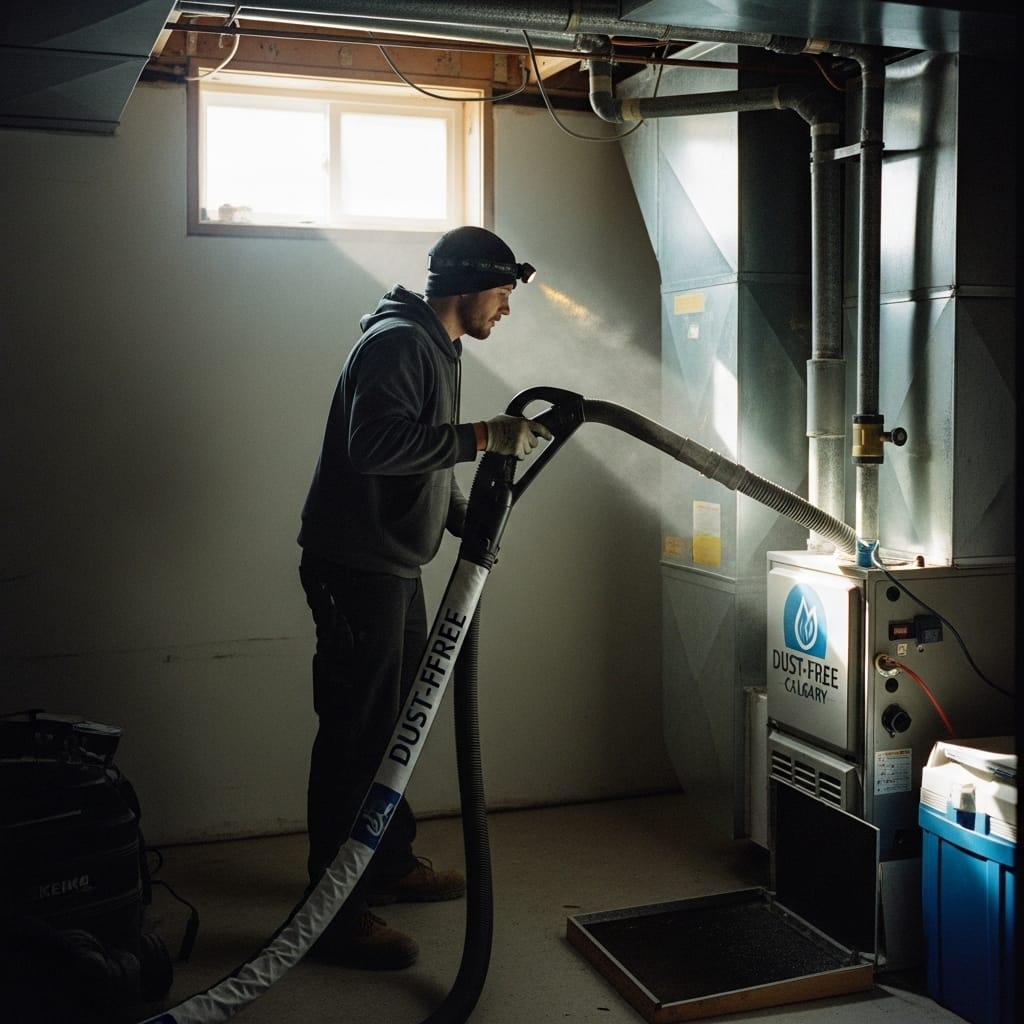
Maintaining the integrity of a negative pressure system hinges on the accuracy of its monitoring equipment. Regular calibration and maintenance are not merely best practices, but essential safeguards against potentially hazardous conditions. Pressure sensors, manometers, and data loggers are the sentinels of the system, providing real-time feedback on its performance. However, their accuracy can drift over time due to environmental factors, mechanical wear, or even subtle shifts in their internal components.
Key Maintenance Points:Calibration, using certified reference standards, ensures that these instruments consistently provide readings within acceptable tolerances. This process involves comparing the device's output to a known pressure value and adjusting it to minimize any discrepancies. The frequency of calibration should be determined by manufacturer recommendations, the criticality of the application, and the severity of the operating environment.
Beyond calibration, routine maintenance plays a vital role. This includes visual inspections for damage, cleaning of sensor ports to prevent blockages, and replacement of worn components. Neglecting these tasks can lead to inaccurate readings, delayed detection of pressure fluctuations, and ultimately, a compromise in the system's ability to maintain negative pressure. Accurate readings are paramount for effective system operation.
Maintaining negative pressure is an ongoing process, as several factors can compromise the system's effectiveness. Filter clogging is a common culprit, gradually reducing airflow and diminishing the pressure differential. Regular filter checks and timely replacements, according to the manufacturer's recommendations, are crucial. Establishing a schedule for filter maintenance based on the environment's dustiness is a proactive approach.
Fan malfunctions, whether due to motor failure, belt slippage, or blade damage, can also disrupt negative pressure. Implementing a routine inspection and maintenance program for the ventilation system's fans is essential. This includes verifying proper fan operation, checking belt tension, and listening for unusual noises that may indicate a problem.
Leaks in the enclosure or ductwork represent another significant challenge. Thoroughly inspect seams, seals, and access points for any signs of damage or deterioration. Smoke testing can be a valuable tool for identifying even small leaks. Promptly repair any leaks with appropriate sealing materials to maintain the integrity of the negative pressure environment. Addressing these potential problems swiftly ensures the system consistently performs as intended, safeguarding personnel and preventing the spread of contaminants. Regular training for staff on identifying and reporting these issues is also important for maintaining a safe and effective negative pressure environment.
Maintaining meticulous records is paramount in verifying and sustaining negative pressure environments. Detailed documentation serves as irrefutable evidence that the system consistently operates within the required parameters. Technicians should diligently record pressure readings at predetermined intervals, noting the date, time, location, and the individual responsible for the measurement. The equipment used for testing must also be documented, including calibration dates to ensure accuracy and reliability.
Beyond simple readings, the verification process itself should be thoroughly outlined. This includes specifying the procedures followed, the instruments utilized, and any observations made during the assessment. A well-documented process allows for easy replication and provides a clear audit trail.
Perhaps most importantly, a clear protocol for reporting deviations or anomalies is crucial. Any pressure reading that falls outside the acceptable range, or any unusual observation during the verification process, must be immediately reported to a designated supervisor. The report should include a detailed description of the issue, the potential cause (if known), and any corrective actions taken. Maintaining a comprehensive log of these incidents, along with their resolutions, enables proactive identification of potential system weaknesses and facilitates continuous improvement of the negative pressure control system. These records are vital not only for compliance but also for ensuring a safe and effective controlled environment.
Dust is made of great bits of strong matter. On Earth, it generally includes fragments in the ambience that come from numerous resources such as soil raised by wind (an aeolian procedure), volcanic eruptions, and pollution. Dirt in homes is composed of about 20–-- 50% dead skin cells. The remainder, and in offices and other developed settings, is composed of percentages of plant pollen, human hairs, animal hair, fabric fibers, paper fibers, minerals from outdoor soil, scorched meteorite particles, and lots of other products which might be located in the regional environment.
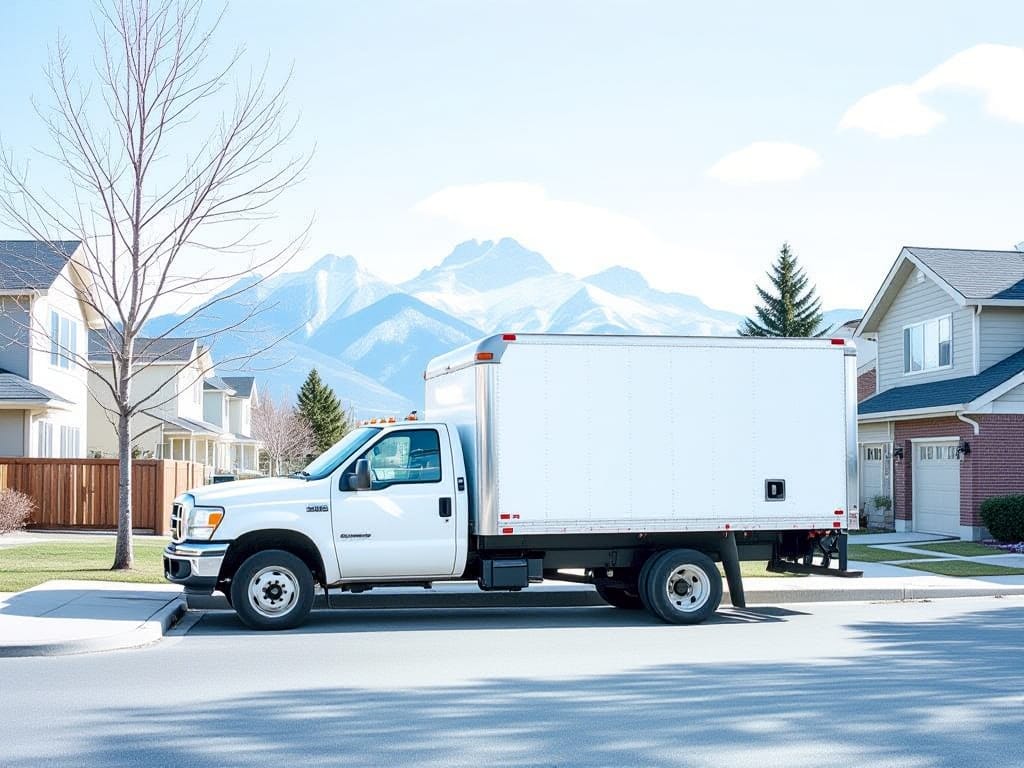
.Calgary () is the largest city in the Canadian district of Alberta. Since 2021, the city proper had a populace of 1,306,784 and an urbane populace of 1,481,806, making Calgary the third-largest city and fifth-largest city in Canada. Calgary is at the convergence of the Bow River and the Elbow joint River in the southwestern portion of Alberta, in the transitional location in between the Rocky Mountain Foothills and the Canadian Meadows, about 80 km (50 mi) east of the front series of the Canadian Rockies, roughly 299 kilometres (186 mi) south of the provincial resources, Edmonton, and around 240 km (150 mi) north of the Canada–-- USA border. The city anchors the south end of the Data Canada-defined urban area, the Calgary–-- Edmonton Corridor. Calgary's economy consists of activity in lots of industries: power; financial solutions; movie and television; transport and logistics; modern technology; production; aerospace; health and wellness and wellness; retail; and tourism. The Calgary Metropolitan Region is home to Canada's second-largest number of company head workplaces amongst the nation's 800 biggest companies. In 2015, Calgary had the biggest variety of millionaires per capita of any type of major Canadian city. In 2022, Calgary was ranked alongside Zürich as the third most habitable city on the planet, rating first in Canada and in The United States And Canada. In 1988, it became the initial Canadian city to hold the Olympic Winter seasons Games.
.